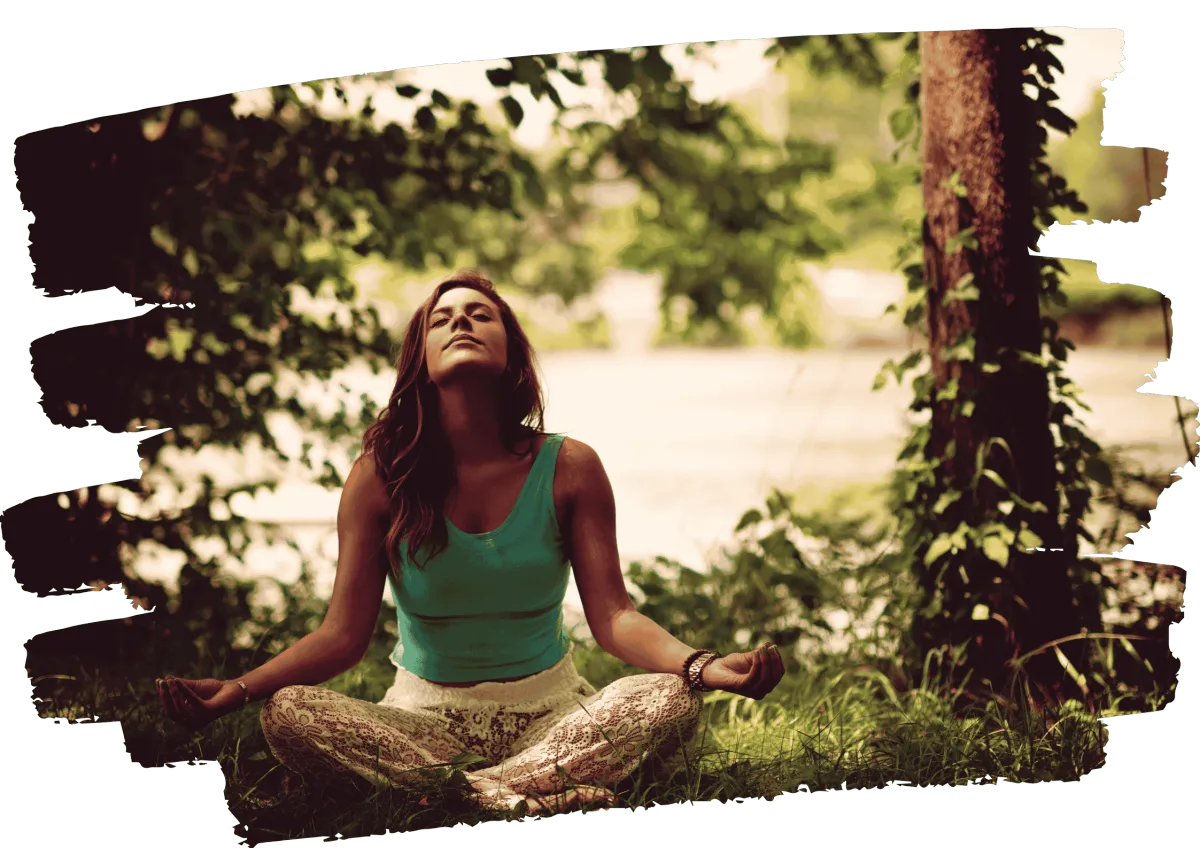
Tips for Practicing Mindfulness in a Busy Life
The benefits of meditation and mindfulness are no secret. They have become trendy in society with household names such as Oprah sharing the undeniable benefits.
And research has shown that this simple practice positively affects everything from blood pressure to academic test results to relationships.

Mindfulness training programs are now even available by many employers and included in weight loss programs.
As Deepak Chopra has been pointing out for years, “Meditation makes the entire nervous system go into a field of coherence.”
Yet as obviously beneficial as it is, and as widely accepted as it is, many of us still find it challenging to incorporate meditation or a mindfulness-based practice into our daily lives.
When life is running at a “normal” pace, many of us are thinking about ten other things while doing one or two tasks.
We’re rarely simply where we are.
While we’re at the office, we’re thinking about the kids or what’s for dinner. While we’re having dinner, we’re thinking about cleaning up, did the kids finish their homework, am I prepared for my morning meeting.
The truth is that no matter what form of meditation (or mindfulness) you practice, it’s basically about being fully present.
If you’ve resisted meditation or have tried some form of mindfulness and felt like you couldn’t get into it, here are a few suggestions:
Use something you love. Mindfulness is a state of active, relaxed attention on the present moment. When you are doing something you love, listening to music, walking in nature, it’s easy to focus attention and just enjoy. Schedule in a few uninterrupted minutes every day to do what you love with the intention to thoroughly enjoy it!

Use routine tasks. You can use doing the dishes, taking a shower, vacuuming, etc. As you do the task, pay particular attention to it. Notice the feel of the hot water on your hands or the pitch of the vacuum’s hum. I’ve incorporated making pour-over coffee to create a mini-zen ritual of my own in the morning. Watching the rich colors while swirling water over the grounds has a soothing, meditative effect for me. Allow yourself to just do what you are doing, nothing more.
Make up your own mantra. Sit quietly, relax your body, and pay attention to your breathing. As thoughts pop up, simply notice them without judging, and let them go. Some people find it helpful to say something to themselves like, “hush” or “release” or “peace, be still.” Others use the image of thoughts floating by like leaves in a stream.
Give yourself reminders for mini-moments. This could be a reminder on your phone every 15 minutes reminding you to simply breathe. The Apple watch has a “time to breathe” app already installed that will remind “it’s time to stand up” and to “breathe” (the trick is to follow it’s lead vs. promptly clicking the dismiss button). Another idea is to have a sign in a high-traffic area of your home: “Pause here. Breathe. Appreciate this moment.”
Whatever you use to get yourself started, rest assured that your moments of mindfulness will reap incredible benefits, spiritually, mentally, emotionally and physically.